This post may contain affiliate links, meaning we get a commission at no cost to you if you decide to make a purchase. As an Amazon Associate, we earn a small commission on qualifying purchases.
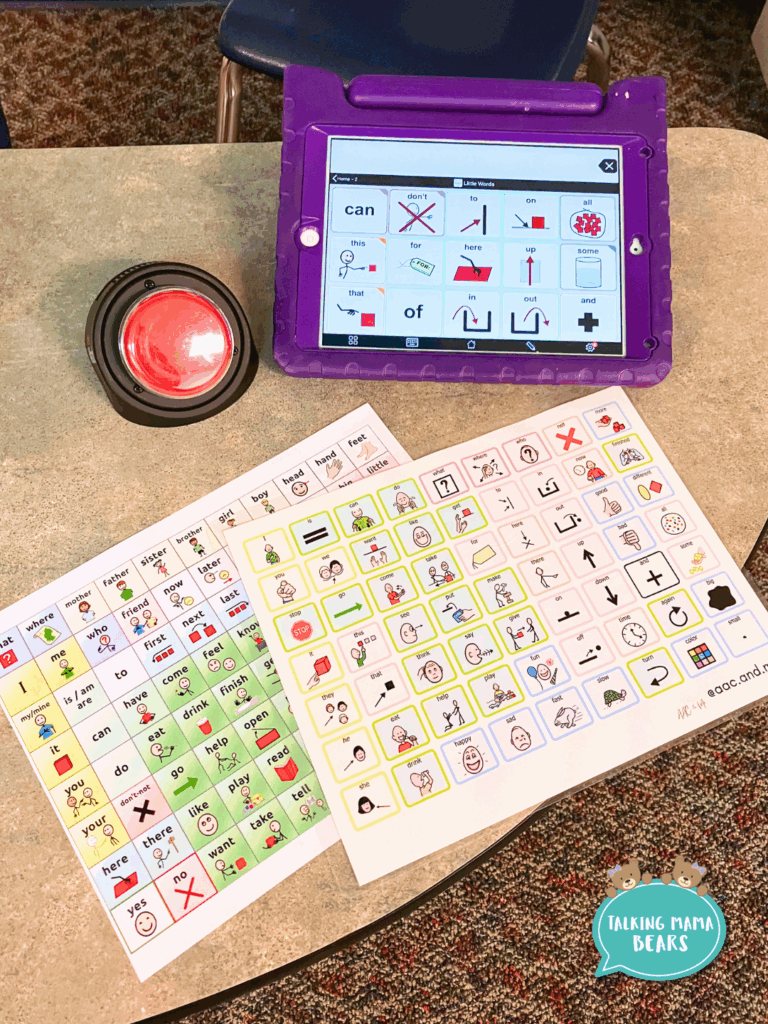
Mandy and I typically do a ton of themed based therapy in both of our preschools. However, I do provide speech and language services to students with a variety of complex communication needs. My students often require highly structured settings, lots of visuals, and cause and effect materials. In addition, I use and model many types of assistive technology tools including personalized communication devices, signing, pictures, visual schedules, buttons, and classroom iPads with communication apps.
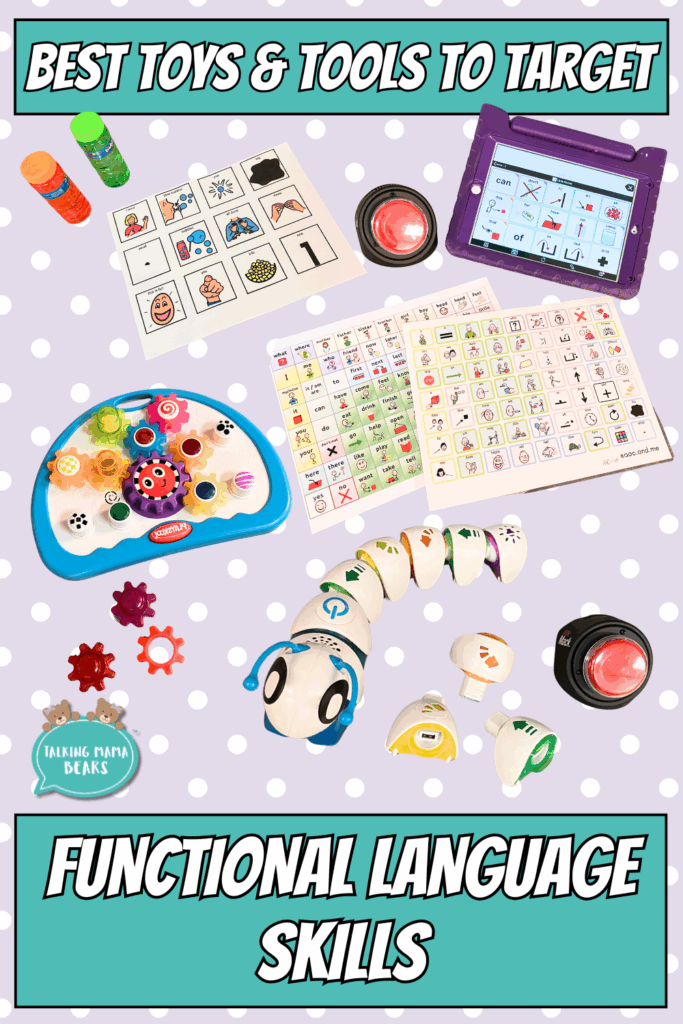
When heading into the classroom for the week, I like filling my handy dandy speech and language traveling bag with all the tools needed to maximize my minutes and my students’ expressive output. Check out my go-to toys and tools to increase functional language!
Functional Language
First, I should probably further explain my definition of functional language and what this looks like for my students. Before I expect my students to request, comment, etc., I like to build a solid rapport with each student. Finding what they love and what they need to regulate is key before jumping into therapy. From music to spinning toys to bouncing on a yoga ball, I try everything to make sure I am the coolest related service provider around. 😉
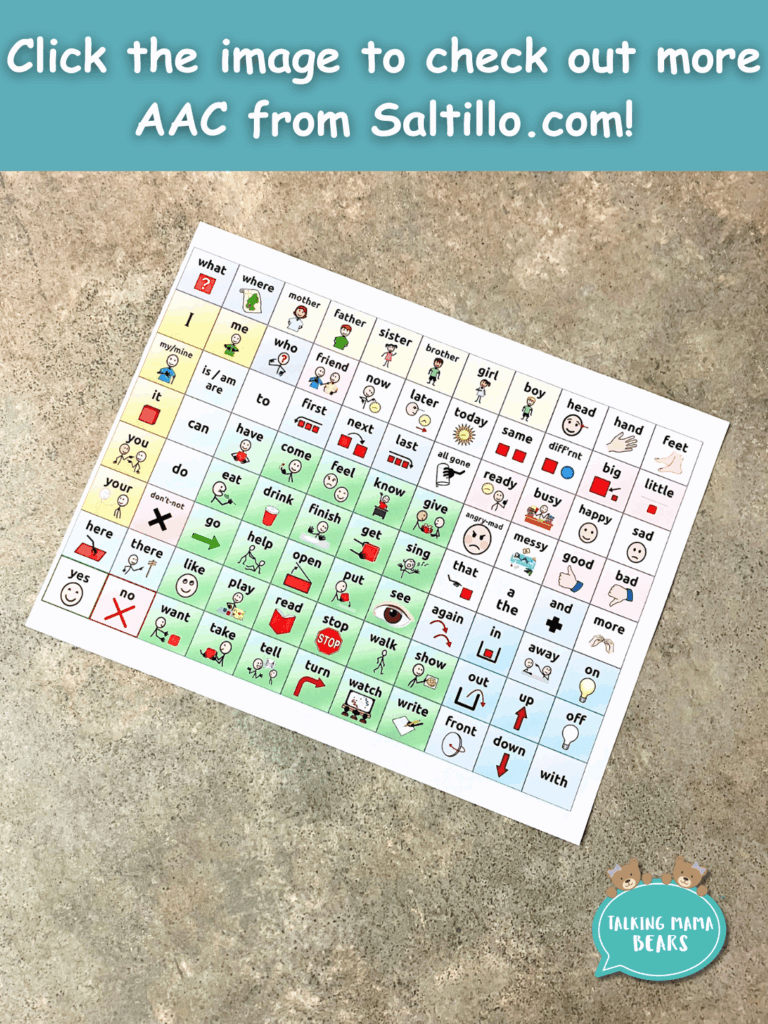
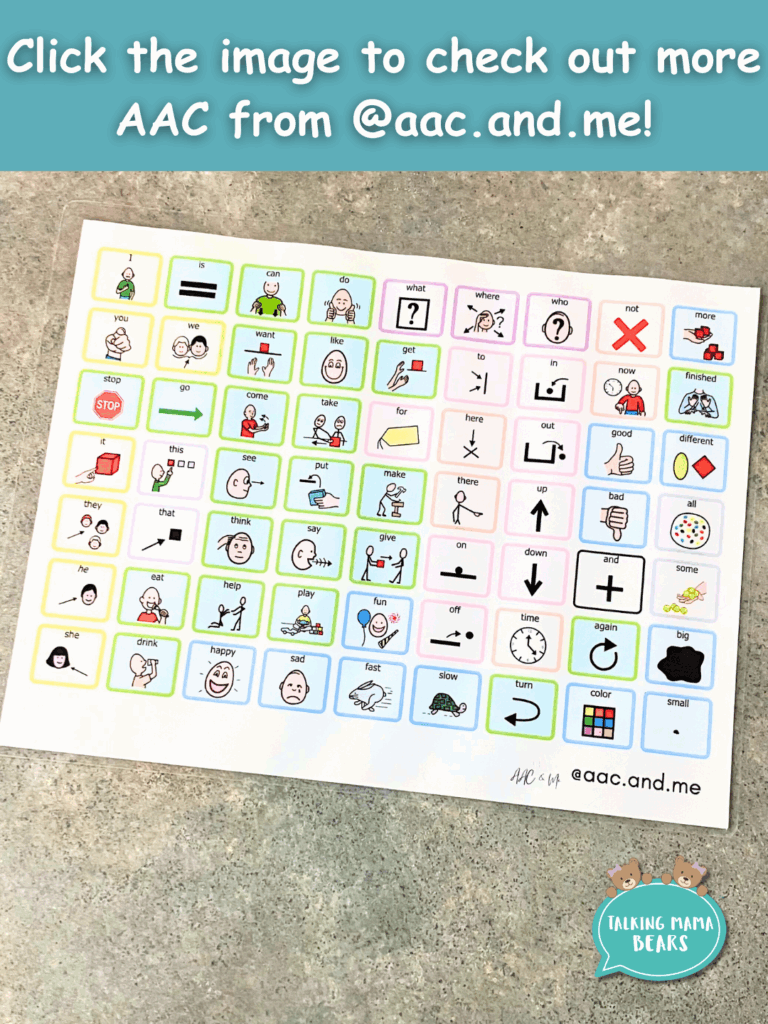
Mandy and I both model core words throughout our sessions. Core words are vocabulary that can be applied in all settings. For example, words such as “more”, “open”, “in”, “want”, “go”, etc. Many of my students’ goals target 1-3 word utterances via sign, assistive technology, or verbal production to request, refuse, comment, greet, and more! Basically we want to increase any language needed to fulfill a variety of communicative acts!
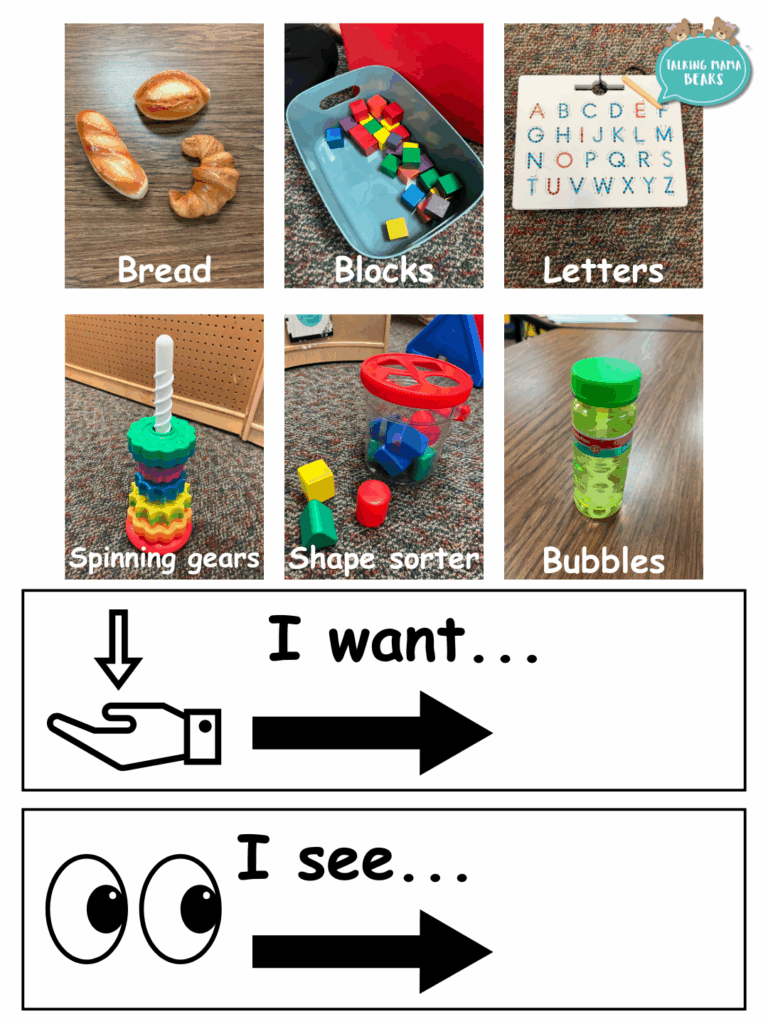
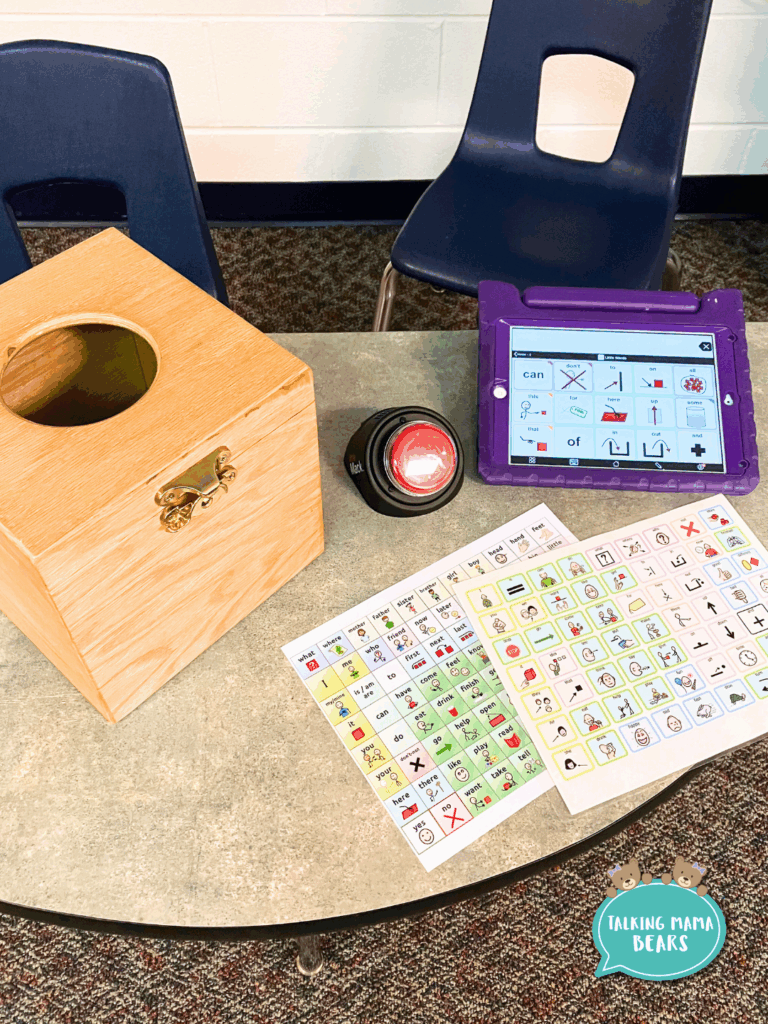
As mentioned above, some of my students are non-speaking and require the use of buttons, AAC (low and high tech), and visuals to communicate. While I love getting down on the floor and keeping things super play based, I do try and provide some structure when engaging with a toy. I usually bring in core boards, buttons, and sentence strips to pair with whatever toy we are using that week!
Looking for ways to use AAC while collaborating? Read more here: SLP Tips For Collaboration with SW, OT, PT, Teachers, & Parents
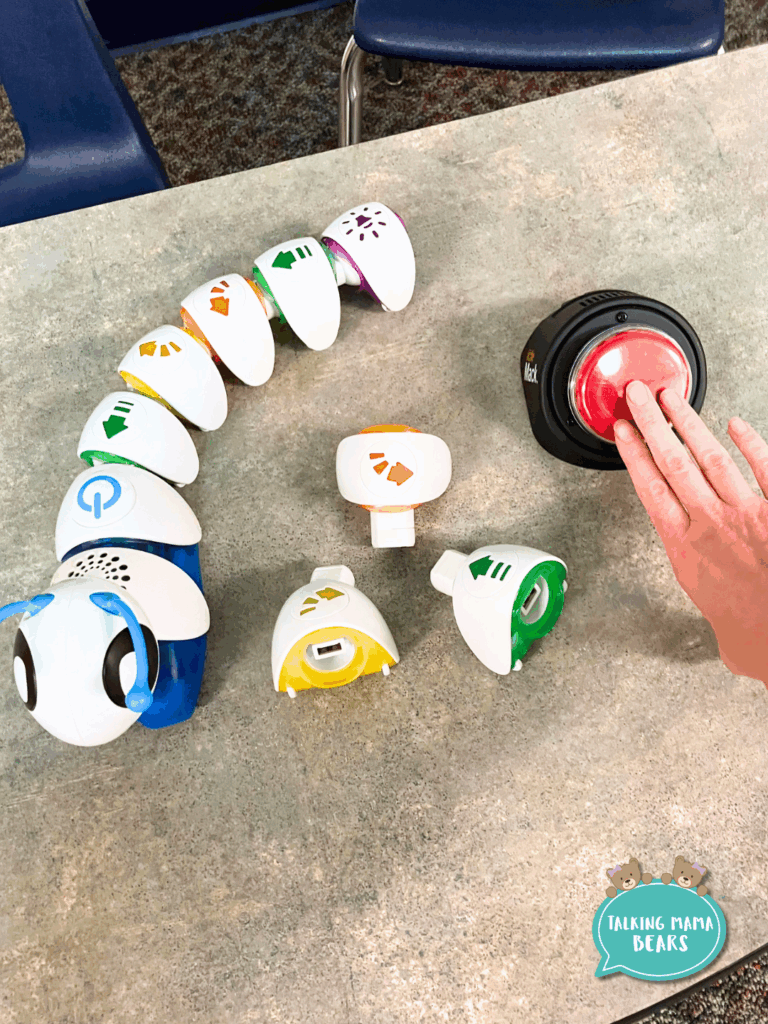
Fisher Price Coding Caterpillar
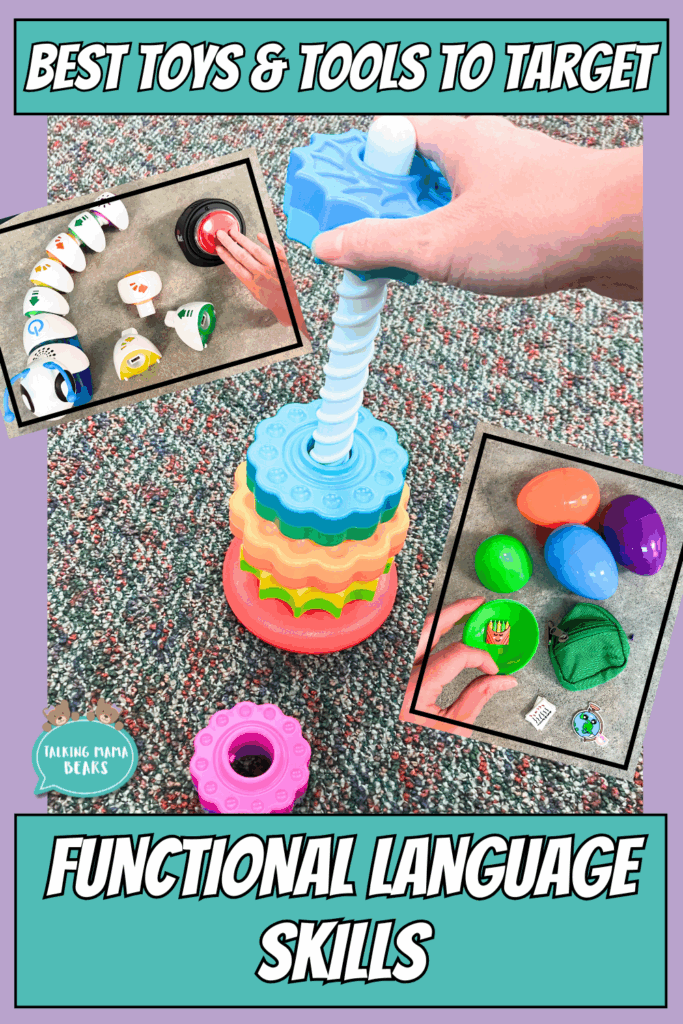
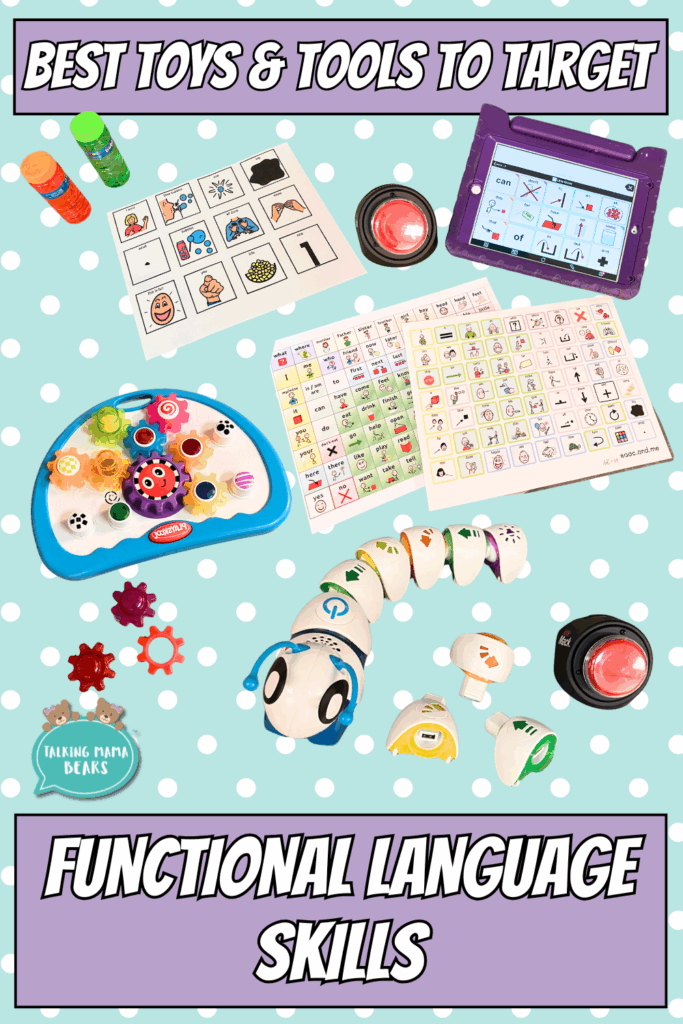
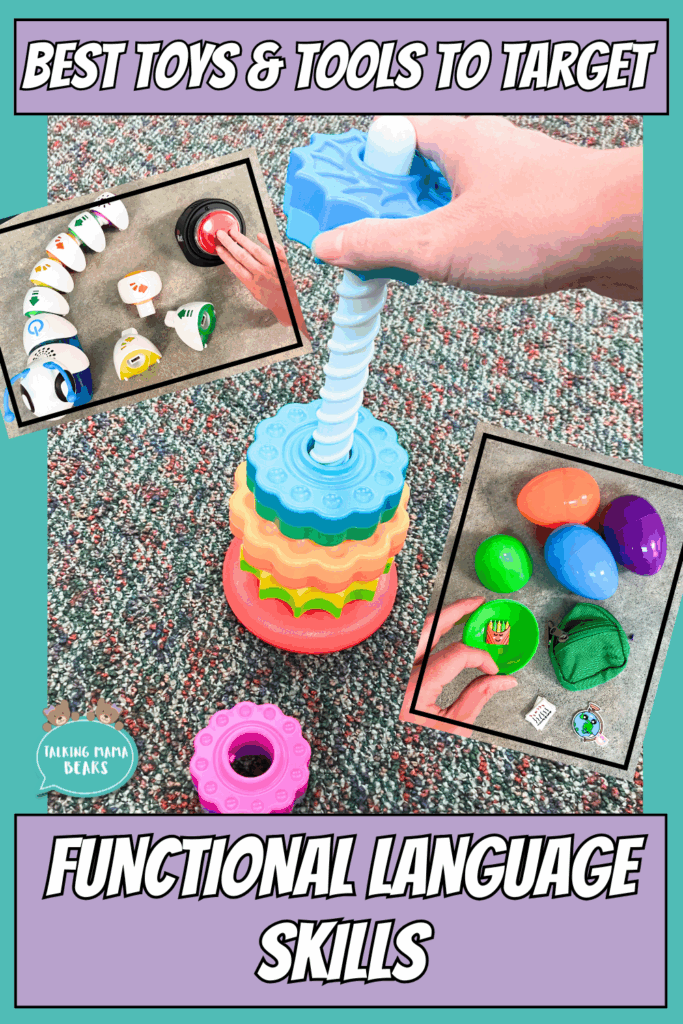
Honestly, this caterpillar is a grand slam when it comes to speech therapy! I love this Fisher-Price Think & Learn Code-a-pillar for so many reasons. I like to place all of the caterpillar pieces in a mystery box or basket. Students have to request or describe each piece by color or code direction. Great way to target MLU, turn-taking, requesting, and direction following. Once all of the pieces are connected, press the power button to watch the caterpillar robot travel around the speech office or classroom!

With this toy, I focus on modeling the following core words: go, more, on, off, in, push, stop. In addition, I like to use a button programmed with “go”. Before turning on the caterpillar, I model “go” with the button. Then I will place the button between the student and caterpillar to encourage their expressive language!
Bubbles
While bubbles may seem like an obvious choice, I can’t stress how every speech bag should have at least one bottle at all times! Bubbles not only help regulate my students, but they also provide lots of opportunity for functional language. Students enjoy popping, chasing, and spinning around in the bubbles. I even allow them to blow their own bubbles if they request a turn!
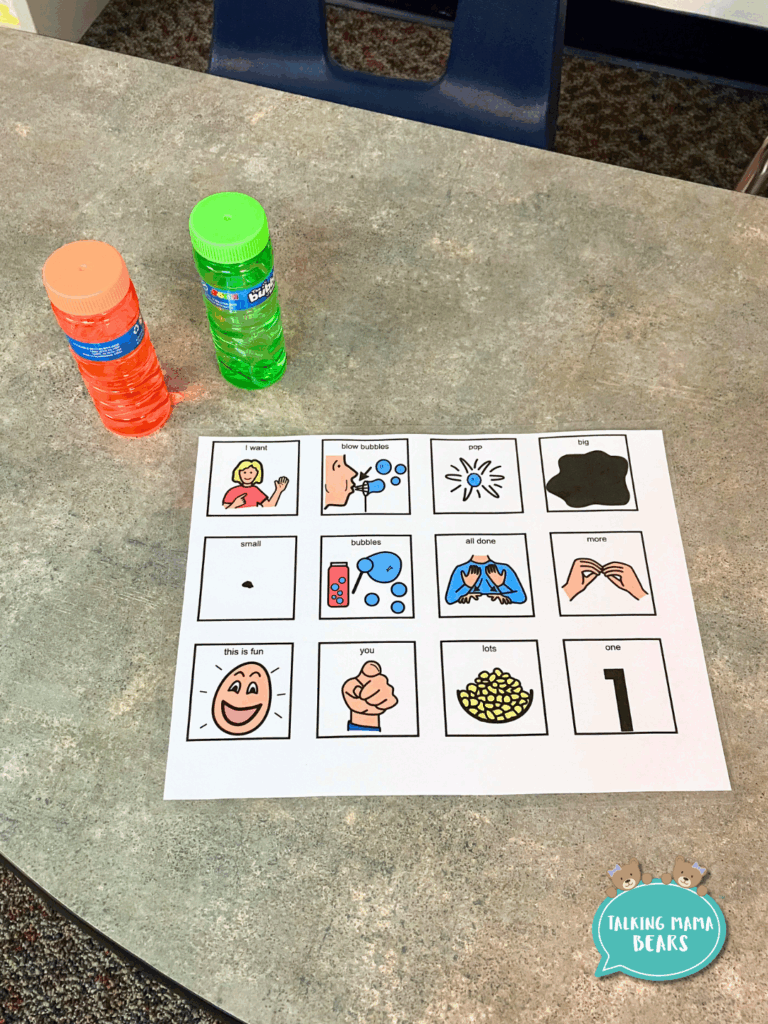
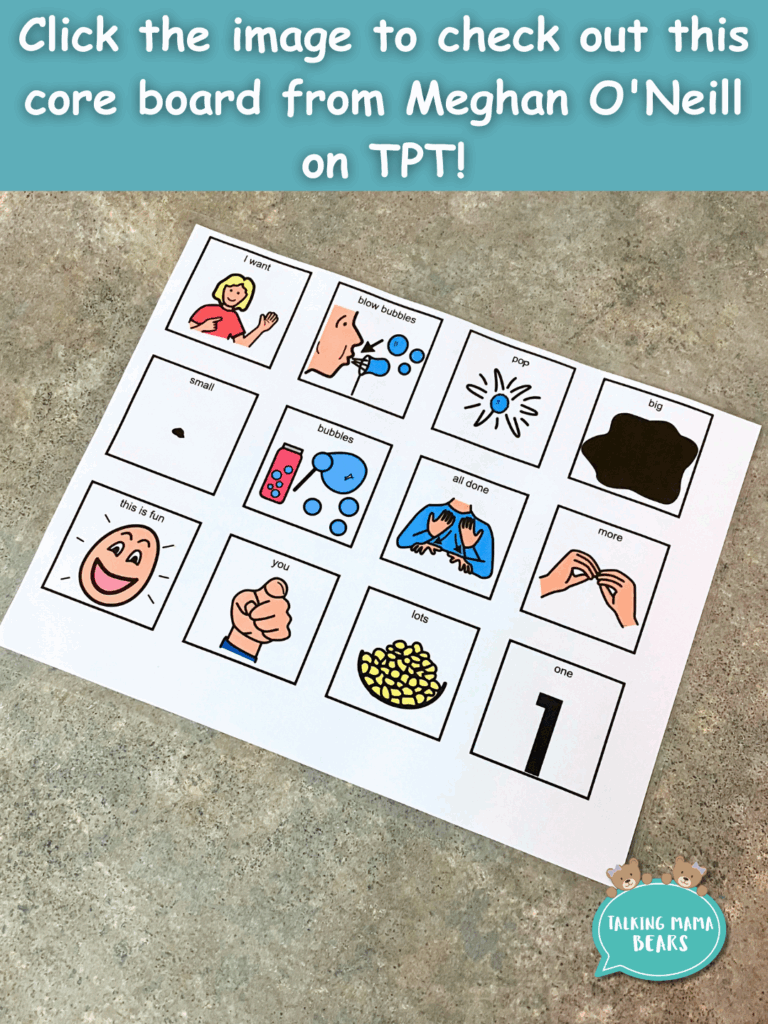
I like to pair blowing bubbles with this awesome core board from Meghan O’Neill on TPT. Best part is it is free! I use this visual to model “big”, “little”, “more”, “all gone”, “in”, “open”, and “want”. But if you download this core board, don’t forget to laminate it though! Bubbles can get messy. 🙂
Spinning Gears (x2)
No secret that spinning toys are a huge hit with many of our students! When packing my speech bag, I usually grab one or both of these spinning gear toys. Between the SpinAgin toy from FatBrains and Busy Gears toy from Playskool, I am able to withhold the gears and encourage language. Both toys are super brightly colored so there are many opportunities to model and produce adjective + noun phrases such as “blue+gear”, “purple+toy”, and “green+piece” as well.
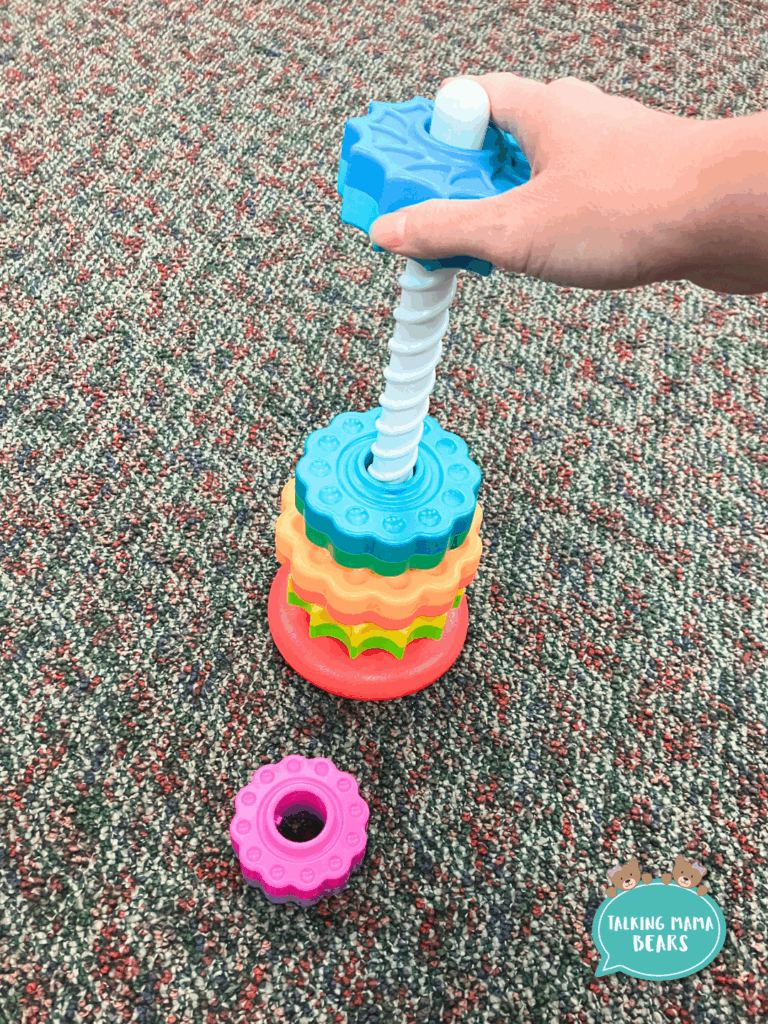
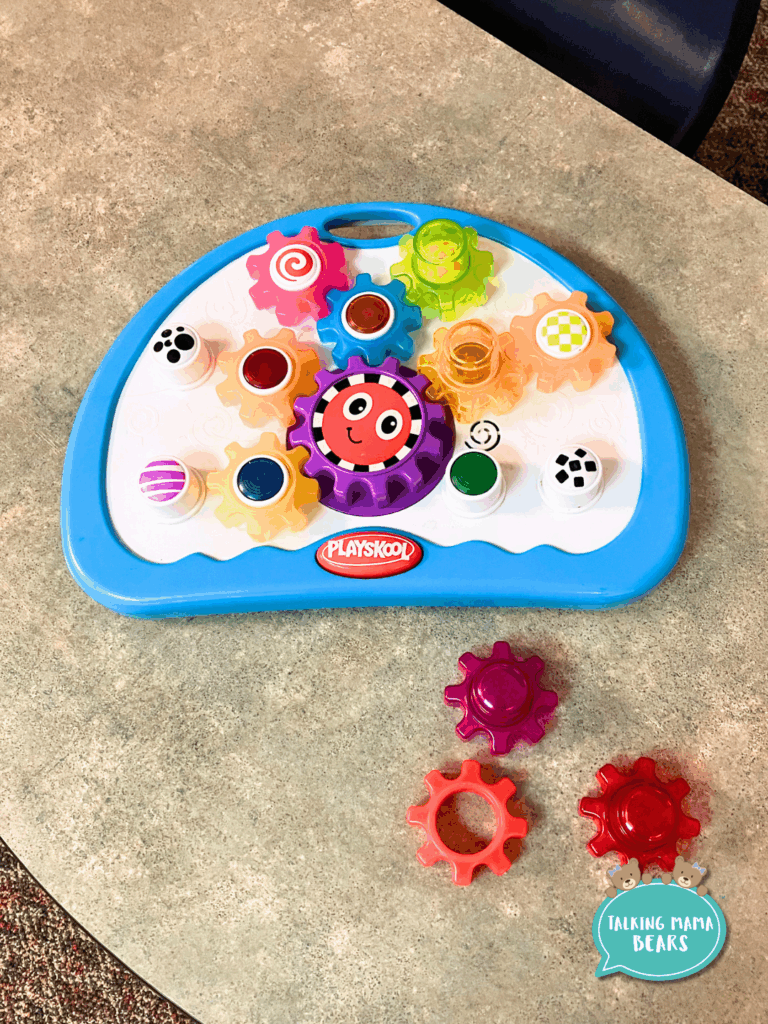
I like having a visual with colors on the table or near the gear toys to model comments and simple descriptions. With spinning toys and lots of rainbow colors, my students enjoy placing items in rainbow order or simply spinning the objects. I find my students give me tons of expressive language due to their excitement!
Plastic Eggs
Plastic eggs are in season every season! I don’t know why, but my students go nuts over a basket of colored plastic eggs. I have a variety of sizes and types too! I typically fill them with minis from Speech Tree Co, but also have used little trains, wind-up toys, and mix of fidgets. Sometimes the act of opening the egg is just as exciting as finding what is inside. Shaking the eggs keeps my students attention and increases their functional language to request and label.
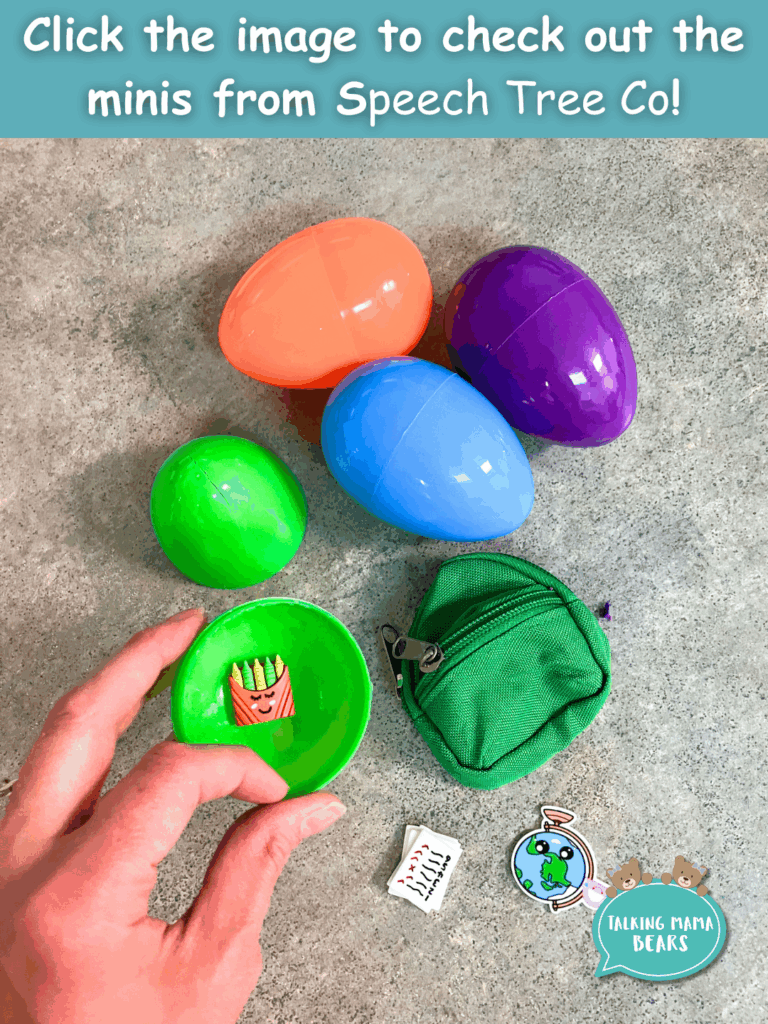
In addition to labeling colors and vocabulary, I target the following core words: more, open, close, in, out, shake, want. Honestly, I could bring plastic eggs into every session and I don’t think my students would mind!
Mystery Box
Lastly, I like rotating my mystery box into therapy sessions throughout the month. Similar to the plastic eggs, my students often like reaching into the box more than playing with the objects inside! Mystery boxes are an awesome way to keep students engaged and using lots of functional language!
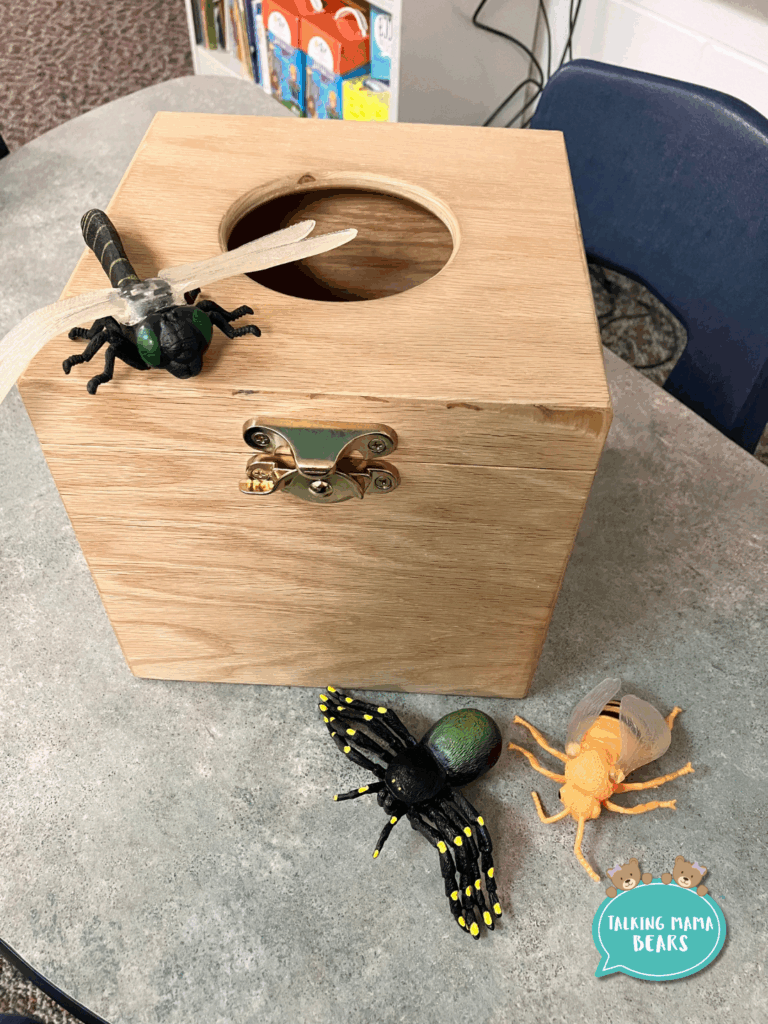
Regardless of the objects inside, the following core words are easily modeled with a mystery box: in, out, more, want, next, up, like, turn, empty, full. However, I do like to incorporate some thematic vocabulary with whatever is inside the box. I have used plastic food, Matchbox cars, mini themed objects, animals, and bugs. Then, I will open a student’s iPad or the classroom device to the page of targeted words. Modeling the core word paired with the themed vocabulary is a great way to increase opportunities for commenting and labeling!
Want more tips and tricks from us? Be sure to sign up for our free resource library and subscriber email! We promise to not spam you and provide the coolest, most effective things! 🙂
So now you have all of my favorite toys and tools to increase core vocabulary within functional language utterances. But keep in mind, there are so many awesome tools out there so find what works best for you and your students! As my graduate school clinical supervisor said, any toy can be a good therapy tool if the right words are modeled!
Kate & Mandy
Talking Mama Bears